SMS marketing is one of the best customer outreach channels in 2026. Texts get opened within three minutes of delivery, on average. It’s a direct line to your customer’s pocket. It remains one of the highest SMS marketing ROI channels available to businesses of any size. This guide breaks down exactly how it works, what types of campaigns you can run, and how to do it right without wasting time or money.
What is SMS Marketing?
SMS marketing is a type of digital marketing that uses text messages or SMS as a channel to reach customers directly on their mobile phones. It allows businesses to send promotional SMS, transactional messages, alerts, and updates in real time. With a 98% open rate and fast delivery, SMS marketing is one of the most effective mobile marketing strategies for customer engagement and conversions.
Business text messaging is structured, permission-based, and tied to real business goals like sales, retention, and support.
Key use cases across industries:
- Retail and ecommerce: flash sales, cart recovery, order updates
- Healthcare: appointment reminders, follow-ups, prescription refill reminders
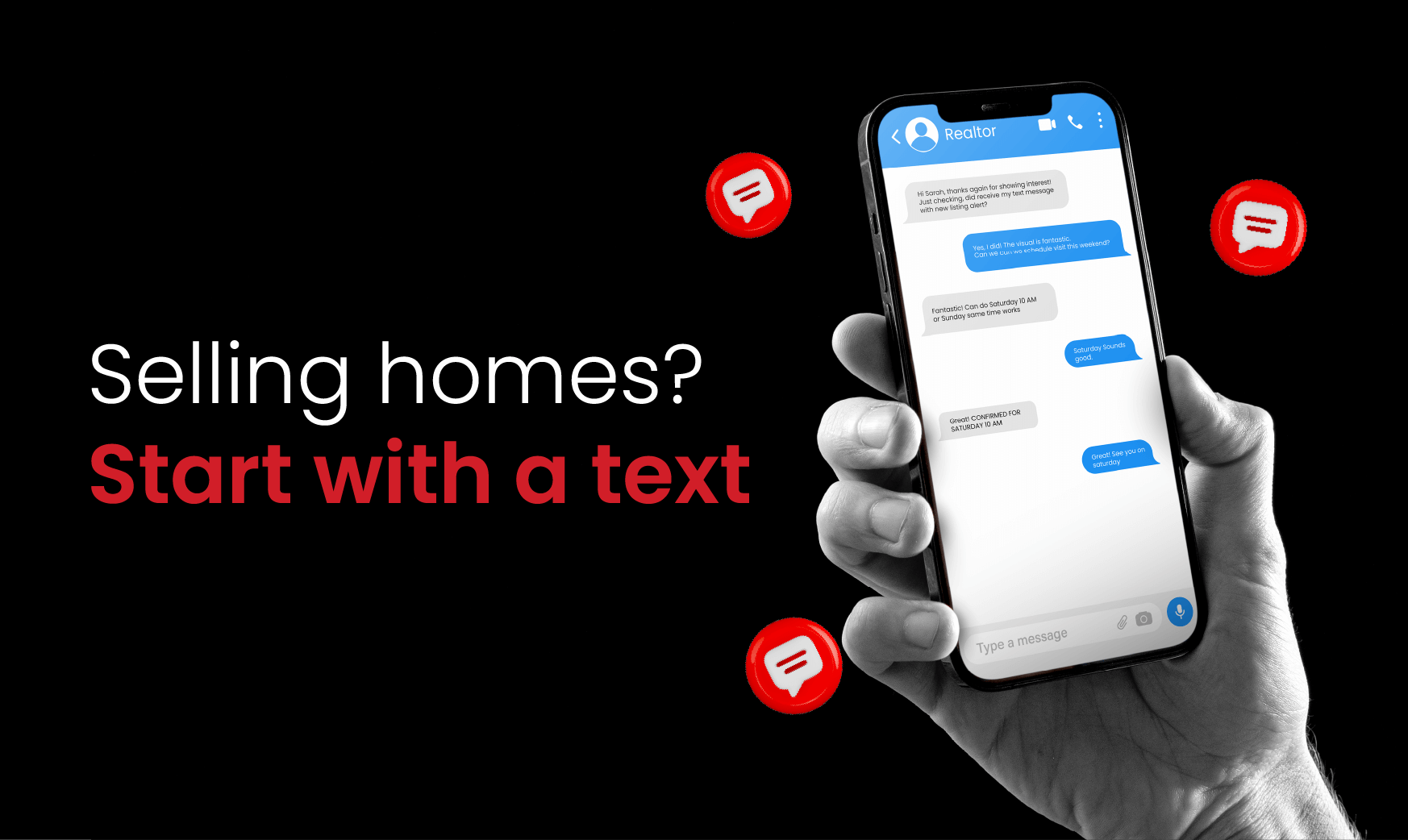
- Real estate: new listing alerts, open house reminders, follow ups
- Restaurants: reservation confirmations, special offers
- Finance: payment reminders, account alerts
If your business communicates with customers, SMS fits somewhere in that process.
How SMS Marketing Works
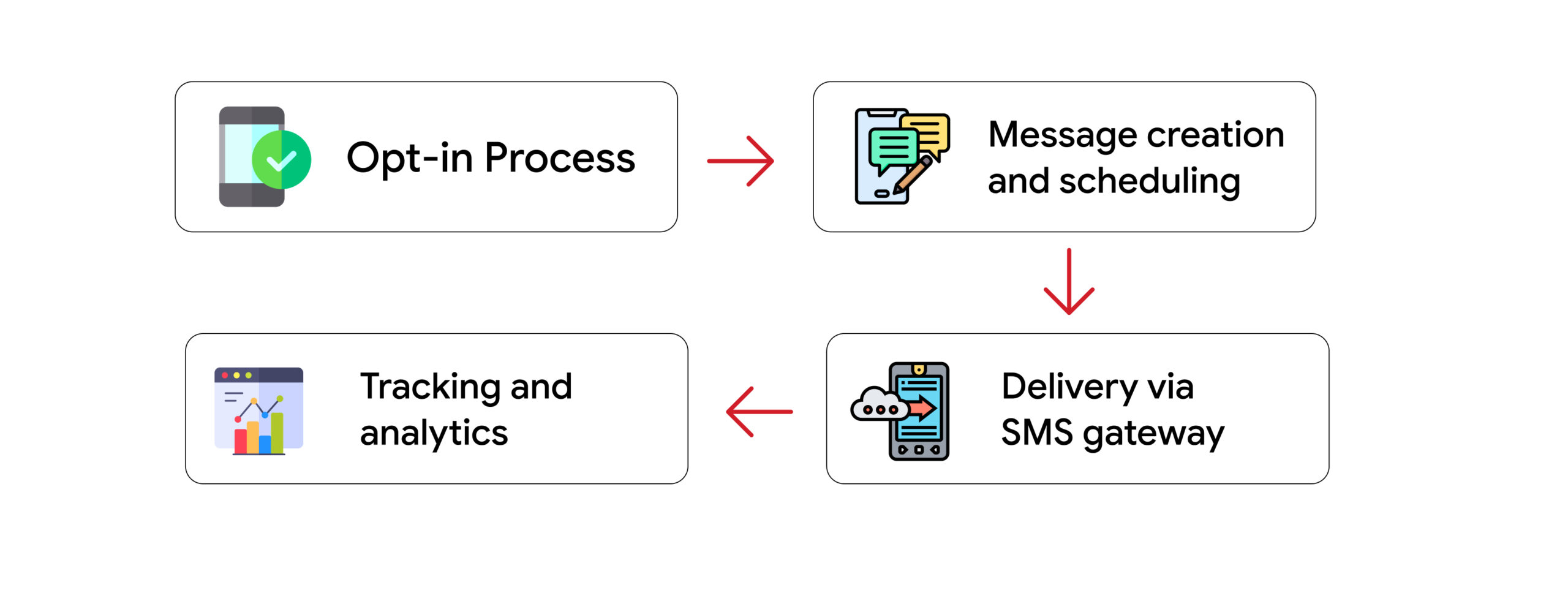
How SMS marketing works comes down to four simple steps.
Step 1: Opt-in process
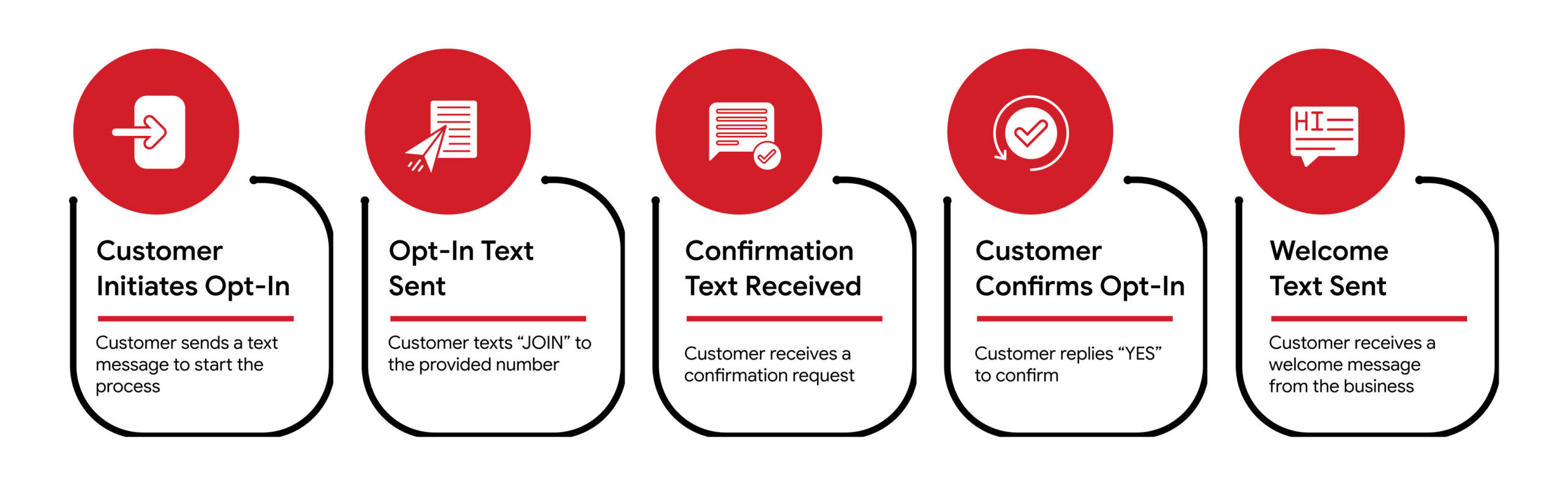
Customers give you permission to text them. This is a non-negotiable step. They sign up through a web form, a checkout page, a keyword (like texting “JOIN” to your number), or in-store sign-up. If you don’t have their consent, you can’t text them.
Step 2: Message creation and scheduling
You write your message (usually under 160 characters), add a link or CTA, and schedule it for the right time.
Step 3: Delivery via SMS gateway
Your SMS platform sends messages through an SMS gateway, which routes texts through carrier networks to reach your subscribers instantly.
Step 4: Tracking and analytics
You monitor delivery rates, click-through rates, replies, and conversions. That data tells you what’s working and what to fix. Tracking will be covered in detail later in the blog.
Types of SMS Marketing Campaigns Explained
Promotional SMS
These are your sales-driving messages. Think offers, discounts, product launches, flash sales, and seasonal campaigns. Example:
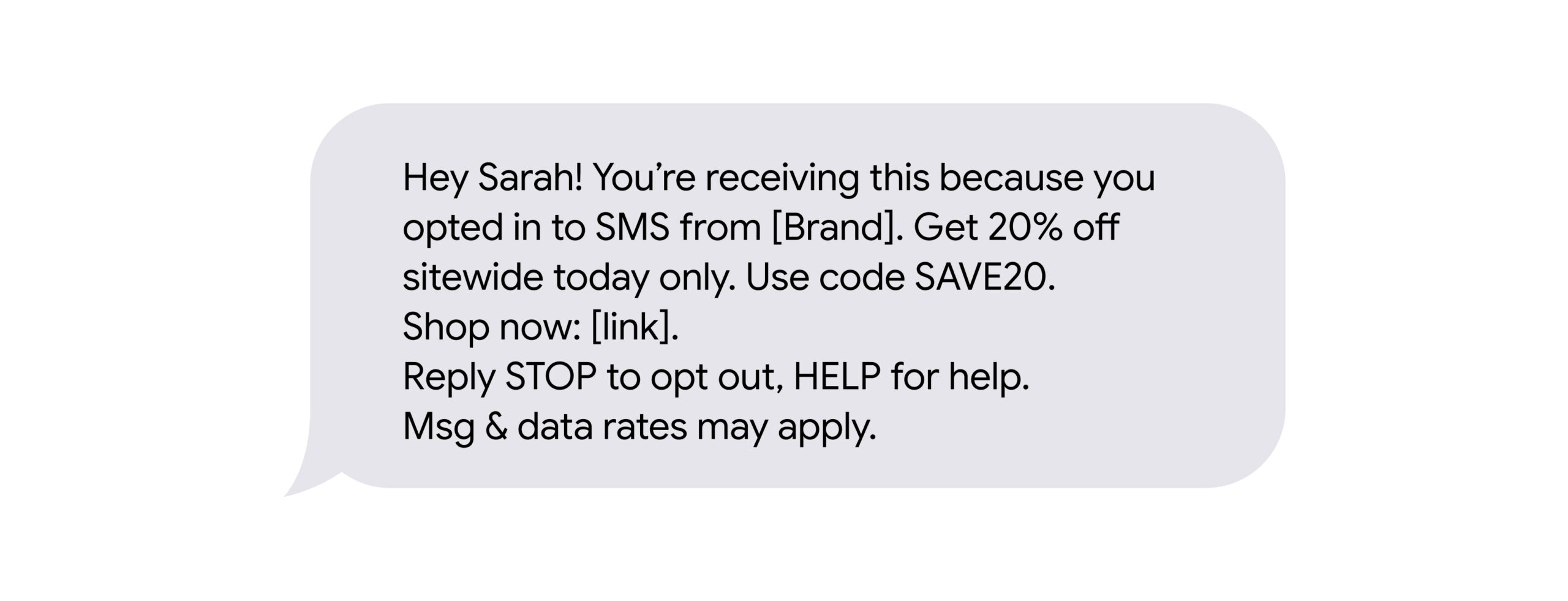
E-commerce SMS marketing strategies rely heavily on promotional messages tied to buying behavior, like abandoned cart texts or post-purchase upsells.
Transactional SMS
These are triggered by customer actions. They include:
- Order confirmations
- Shipping updates
- Appointment reminders
- Account notifications
These messages have some of the highest open rates because customers are expecting them. SMS notification systems that automate these messages save you so much time.
OTP Messages
One-time passwords (OTPs) are used for authentication and account verification. A customer logs in, gets a 6-digit code by text, and confirms their identity. Simple, fast, and secure. Businesses handling sensitive customer data rely heavily on OTPs in 2026.
Benefits of SMS Marketing
Here’s why the benefits of SMS marketing still hold up in 2026:
- High open rates: SMS messages have an open rate of 98%. Email has an average of 20-30%.
- Instant delivery: Messages arrive in seconds. Perfect for time-sensitive offers or urgent updates.
- Better engagement: SMS click-through rates consistently outperform email CTRs. Customers read texts. They act on them.
- Cost-effectiveness: Bulk SMS campaigns cost a fraction of paid ads, with measurable returns. The SMS marketing ROI for most businesses is strong when campaigns are planned properly.
- Works without internet: SMS doesn’t need a data connection or an app. It reaches customers anywhere.
Want a deeper breakdown? Check out the benefits of SMS marketing and see how each one translates to business results.
SMS Marketing Strategy
A solid SMS marketing strategy in 2026 starts with clarity. Here’s how to build one:
Set clear goals
Are you driving sales? Increasing retention? Re-engaging cold leads? Your goal shapes every decision after it.
Audience segmentation
Don’t blast everyone with the same message. Segmented SMS campaigns perform significantly better. Group subscribers by purchase history, location, behavior, or stage in the buying cycle.
Personalization techniques
Use the customer’s name. Reference to their last purchase. Mention their local store. SMS personalization strategies like these make messages feel relevant instead of spammy.
Automation workflows
Set up SMS drip campaigns to nurture leads over time. A new subscriber might get a welcome text on day one, a helpful tip on day three, and a soft offer on day seven. SMS automation for businesses handles all of this for you. Easify makes this part easy. You build the workflow once, and it runs automatically, keeping every lead in your SMS marketing funnel without manual follow-up.
Timing and frequency planning
The best time to send SMS marketing messages is typically between 10 AM and 8 PM in the customer’s time zone. And SMS frequency best practices suggest 4-6 messages per month for most businesses, unless customers have opted in for daily updates.
SMS Marketing vs Email Marketing
Both channels work. But they work differently.
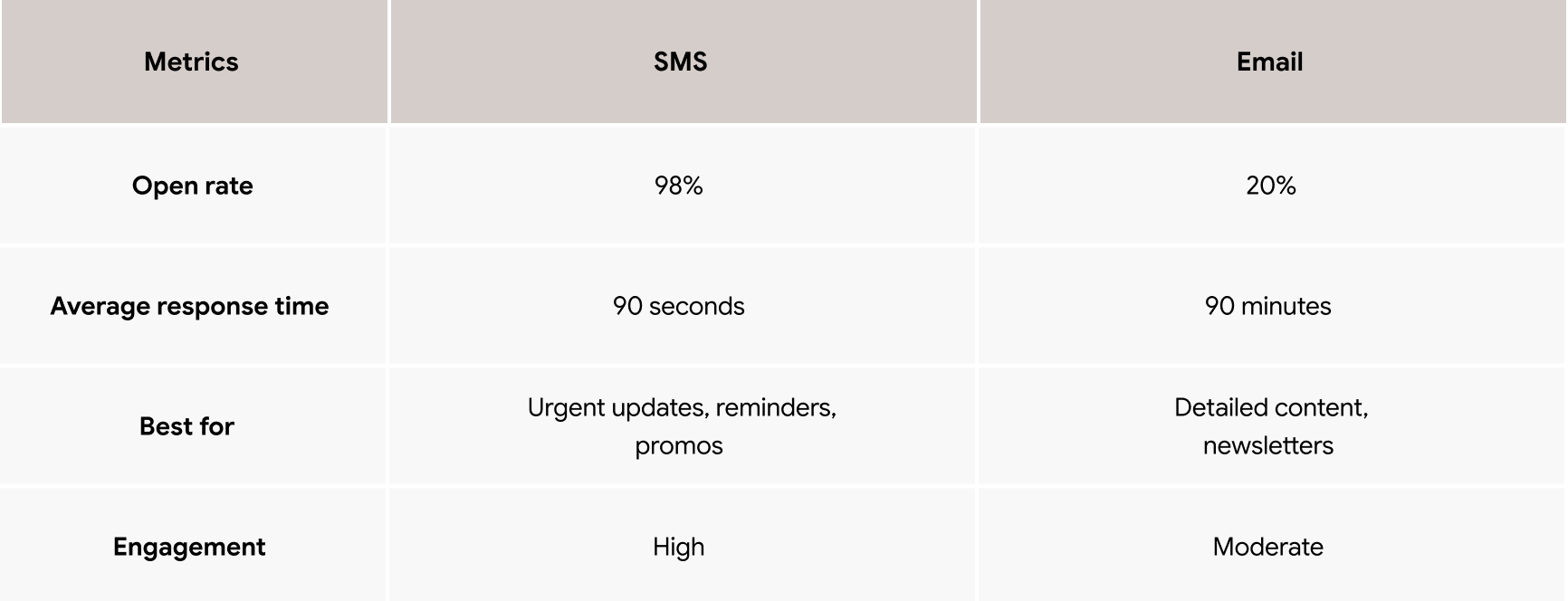
When to use SMS: Flash sales, appointment reminders, order updates, time-sensitive alerts.
When to use email: Long content, onboarding sequences, detailed product education.
The real win? Combining both. Use email to nurture. Use SMS to convert. Together, customer engagement through SMS and email creates a stronger funnel than either channel alone.
For a full comparison, read SMS marketing vs email marketing for business.
SMS Marketing Best Practices
Follow these SMS marketing best practices, and you’ll stay out of trouble while getting better results:
- Get explicit consent: Always use a proper opt-in process. It’s legally required under the TCPA in the US, and it protects your reputation.
- Keep messages short and clear: How to write an effective SMS copy is simple: one idea, one CTA, done. Don’t cram in multiple offers.
- Add a strong CTA: “Shop now,” “Reply YES,” “Claim your deal” all work better than vague language.
- Avoid spammy frequency: More texts don’t mean more sales. Over-messaging increases your unsubscribe rate.
- Use personalization: First name, purchase behavior, location. Use the data you have.
- Include opt-out options: Every message should include something like “Reply STOP to unsubscribe.” It’s required by law and builds trust.
Want the full breakdown? Here’s a detailed guide on SMS marketing best practices worth bookmarking.
How to Do SMS Marketing (Step-by-Step)
Step 1: Choose an SMS marketing platform:
Pick one built for business with automation, segmentation, and compliance tools. (Easify checks all of these.)
Step 2: Build your subscriber list:
Use website forms, checkout opt-ins, and in-store signups. More on this in section 10.
Step 3: Create campaign goals:
Know what success looks like before you send anything. Sales? Clicks? Replies?
Step 4: Write effective SMS copy
Short. Clear. One CTA. Personalized where possible. High-converting SMS templates follow this format every time.
Step 5: Schedule and send campaigns
Use your platform’s scheduling tool. Respect time zones. Follow your frequency plan.
Step 6: Track performance and optimize
Watch your SMS delivery rates, SMS click-through rates, replies, and conversions. Cut what doesn’t work. Double down on what does. Track the right numbers using these SMS marketing KPIs.
Why You Need to Choose Easify as an SMS Marketing Solution
There are dozens of SMS platforms. Easify stands for businesses that want the most advanced tools without complexity.
- Automation: Build automated text messaging for business workflows in minutes. Welcome sequences, drip campaigns, follow-ups, and reminders all run on autopilot.
- AI tools: Let AI handle outreach for you, with extra precision and amazing results.
- Omnichannel: Manage SMS, MMS, email, calls, and voicemail from a single platform.
- Segmentation: Send segmented SMS campaigns based on customer behavior, purchase history, or custom tags.
- Templates: Access ready-to-use templates so you’re never staring at a blank screen before a campaign.
- Ease of use: Easify is built for busy teams. Clean interface and fast setup. No training required.
- Pricing advantage: Transparent pricing and multiple plans to choose from.
- CRM: A built-in CRM that keeps all customer data in one place.
- Customer support: Real support when you need it, not just a chatbot.
- Integrations: Easify connects with your existing tools so your workflow doesn’t get disrupted.
Compared to many competitors that charge premium rates for basic automation or lock key features behind expensive tiers, Easify gives you a ton of features for a price that makes sense for SMS marketing for small businesses and growing teams alike.
You’ll see the difference the moment your campaigns go live. Try Easify free for 7 days and reach your customers with ease!

How to Build an SMS Subscriber List for SMS Marketing
Growing your list is how you grow your results. Here’s how to do lead generation via SMS the right way:
- Website pop-ups and forms: Offer a discount or freebie in exchange for a phone number. Keep the form simple.
- Checkout opt-ins: Add a checkbox at checkout. Customers are already buying, so they’re warm leads.
- Lead magnets: “Text SAVE to 12345 for 15% off your first order” works well in ads and social posts.
- Offline collection: Signup sheets at events, in-store QR codes, or point-of-sale prompts.
- Social media promotions: Run a giveaway that requires SMS opt-in to enter.
For more tactics, check out this guide on bulk SMS marketing and how to scale your subscriber base effectively.
Common Mistakes to Avoid in SMS Marketing
These SMS marketing mistakes to avoid show up constantly, especially with businesses just getting started:
- Sending without consent: This is a legal and trust issue. One complaint can cost you. Always get explicit opt-in.
- Over-messaging: Blasting customers daily is the fastest way to lose them. Stick to your frequency plan.
- Ignoring personalization: “Hey Customer” doesn’t cut it. Use what you know about your subscribers.
- Poor timing: Sending a promotional text at 6 AM or 10 PM will get you blocked, not conversions.
- No clear CTA: If your message doesn’t tell customers what to do next, most of them won’t do anything.
- Not tracking performance: If you’re not checking your SMS analytics and reports, you’re flying blind. Data tells you what to keep and what to fix.
Conclusion
SMS marketing in 2026 isn’t a trend. It’s a proven, high-ROI channel that works for businesses of every size, in every industry.
Here’s what you’ve learned:
- How SMS marketing works from opt-in to delivery to analytics
- The three main types of campaigns are promotional, transactional, and OTP
- How to build a real SMS marketing strategy with segmentation, automation, and personalization
- How SMS and email complement each other
- The best practices and mistakes that separate results from wasted budget
The next step is straightforward. Pick a platform, build your list, and launch your first campaign.
Ready to make texting work for your business? Start with Easify today and set up your first SMS campaign in minutes. Automation, segmentation, templates, and support, all in one place built for busy business owners like you.
Follow Easify on Instagram, LinkedIn, Facebook, and YouTube for tips, updates, and SMS marketing strategies you can use right now.