Your customers carry their phones everywhere. And yet, most businesses are still fighting for attention in a crowded email inbox instead of just texting them. A well-built SMS marketing strategy can drive faster sales, better retention, and the kind of customer engagement that email just can’t match.
But sending random texts and hoping for the best? That’s not a strategy. That’s spam.
This guide walks you through everything you need to build a text message marketing strategy that actually converts.
What is an SMS Marketing Strategy?
An SMS marketing strategy is a structured plan for using text messages to reach, engage, and convert your customers. It covers everything from how you collect phone numbers to what you send, when you send it, and how you measure success.
It’s not just about blasting promotional texts. A solid SMS marketing strategy includes campaign planning, automation, segmentation, compliance, and performance tracking. Done right, it’s one of the highest-ROI channels available to any business.
How is SMS Marketing Different from Email Marketing?
Email and SMS are both great channels, but they serve different purposes.
Email gives you space. You can tell a story, showcase a product line, and send rich visuals. Open rates hover around 20-30%, and it’s a channel people check on their own time.
SMS is immediate. It’s short, direct, and personal. Open rates sit near 98%. People read texts within minutes. That speed changes how you use the channel and what it’s best for.
Promotional vs Transactional SMS
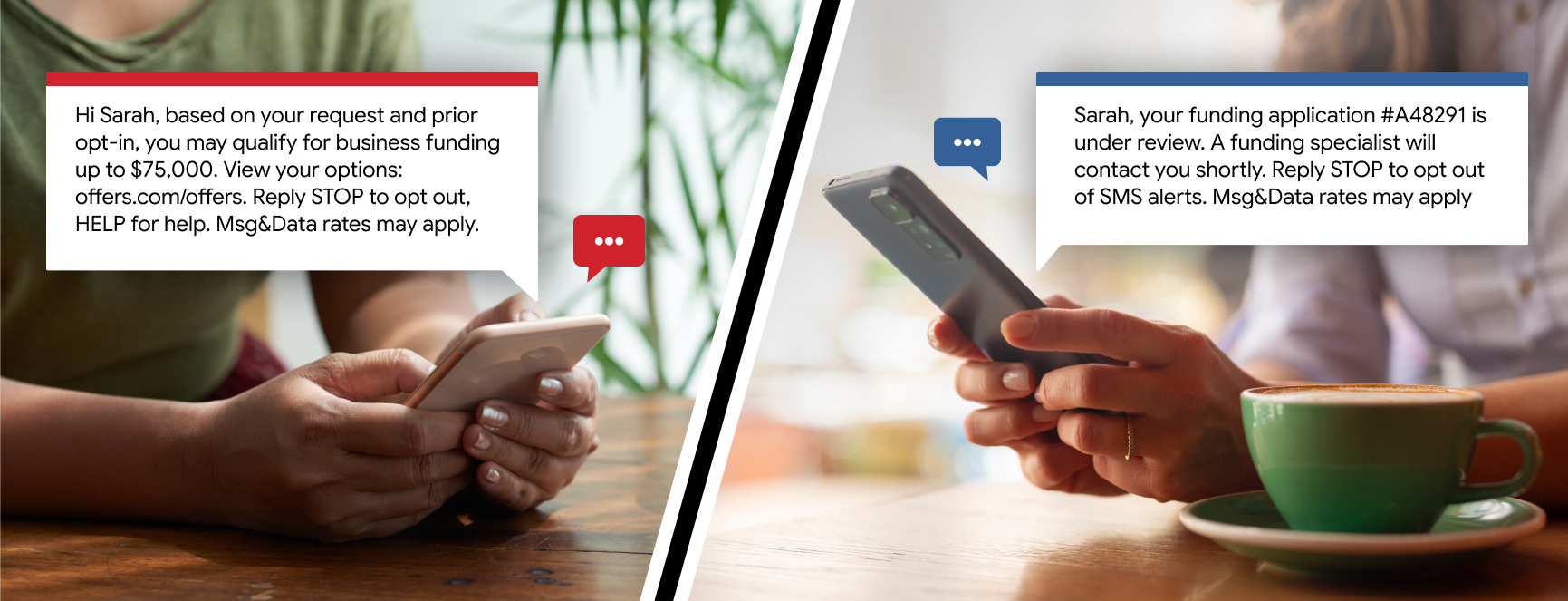
Promotional SMS includes sales announcements, discount codes, flash deals, and campaign messages. These are marketing-driven and opt-in required.
Transactional SMS covers order confirmations, shipping updates, appointment reminders, and account alerts. These are triggered by customer actions and often have higher engagement because people are expecting them.
A strong SMS marketing plan uses both types together.
Who Should Use SMS Marketing?
Short answer: almost any business that has customers.
Retail, e-commerce, restaurants, service businesses, healthcare practices, fitness studios, real estate agencies. If you communicate with customers on a regular basis, SMS can improve that communication and drive more revenue from it.
Why is SMS Marketing Important in 2026?
Higher Open Rates
We already mentioned the 98% open rate. That’s not a typo. Compare that to email’s 25-30% and it’s clear why SMS gets attention.
Faster Purchase Decisions
Studies show that 90% of SMS messages are read within three minutes of delivery. That speed matters when you’re running a flash sale or a limited-time offer. A well-timed text can drive purchases within the hour.
Increased Customer Retention
Customers who hear from you regularly through a channel they prefer are more likely to stay loyal. A smart business text marketing strategy keeps your brand top of mind without being intrusive.
Real-Time Personalization
With modern SMS tools like Easify, you can personalize messages based on purchase history, location, behavior, and more. Calling someone by name and recommending something they actually care about? That’s the kind of experience that builds trust and drives repeat purchases.
How Do You Build an Effective SMS Marketing Strategy ?
Building an effective SMS marketing strategy starts with clear goals, a permission-based subscriber list, and a deep understanding of your audience. It requires the right mix of timing, personalization, and automation to send relevant messages that encourage action.
When done right, SMS becomes a strong channel for engagement, conversions, and lasting customer loyalty.
Here are the key steps to build an effective SMS marketing strategy that drives real results:
Step 1: Define Clear Goals and KPIs
Before you send a single text, get clear on what you’re trying to achieve.
Are you trying to drive more sales? Reduce cart abandonment? Improve customer retention? Each goal needs its own set of metrics. Common KPIs for SMS include delivery rate, click-through rate, conversion rate, revenue per subscriber, and opt-out rate.
Start with one or two goals. Build around those. Add complexity as you learn what works.
Step 2: Ensure SMS Compliance and Consent
This is non-negotiable. The Telephone Consumer Protection Act (TCPA) regulates SMS marketing in the US. Violating it can mean serious fines.
Here’s what compliance looks like in practice:
Explicit Opt-In
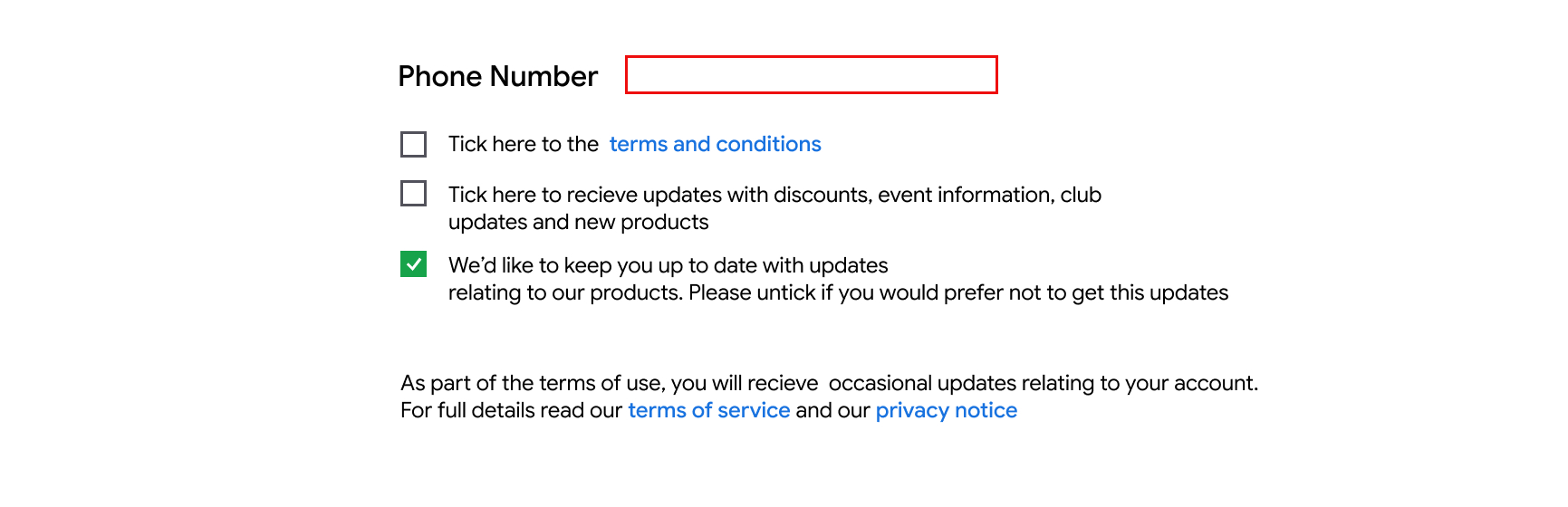
Every subscriber must actively agree to receive your texts. That means a checkbox on a form, a keyword opt-in, or a sign-up that clearly states they’ll receive SMS messages from you. Pre-checked boxes don’t count.
Double Opt-In
After someone signs up, send a confirmation text asking them to reply YES. It verifies the number is correct and reinforces consent. It also builds a cleaner, more engaged list.
Easy Opt-Out (STOP Keyword)
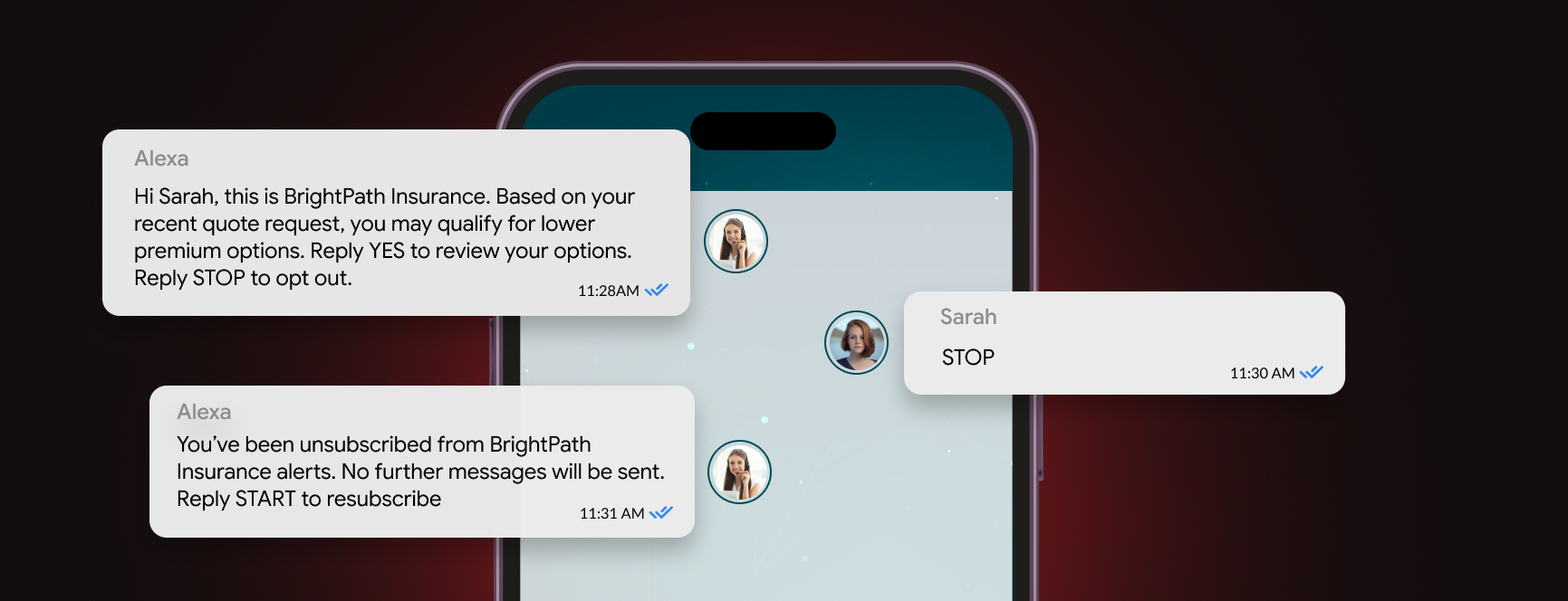
Every message you send must include an easy way to unsubscribe. The standard is texting STOP. Your platform should automatically remove anyone who opts out and never message them again.
Privacy Policy Updates
Make sure your privacy policy includes how you collect phone numbers, how you use them, and how customers can opt out.
Step 3: Build and Grow Your SMS Subscriber List
A great mobile marketing strategy needs an audience. Here’s how to grow yours:
Website Pop-Ups and Embedded Forms
Add an SMS opt-in form to your site. Offer something in return, like 10% off their first order or exclusive early access. Pop-ups with a clear value exchange convert well.
Checkout SMS Consent
Add an SMS opt-in checkbox during the checkout process. Customers are already trusting you with their payment info. Asking for their number here, with clear intent, is a natural way to get consent.
QR Codes for Offline Growth
Print QR codes on packaging, receipts, in-store signage, or at events. Someone scans it to get to your opt-in page and joins your list. This works especially well for retail businesses with offline stores.
Social Media and Email Cross-Promotion
Promote your SMS list on Instagram, Facebook, and in your email campaigns. Tell people what they’ll get by signing up. “Join our text list for first access to sales and restocks” is a clear, compelling reason.
Step 4: Create High-Converting SMS Campaigns
Your SMS campaign strategy should focus on messages that create urgency, offer clear value, and drive immediate action.
Flash Sales
Short window, big offer. SMS is a great mobile marketing strategy for flash sales. Send the text when the sale starts, and maybe a reminder a few hours before it ends. Keep the message short. Include a link. Watch the clicks roll in.
Product Launches
Build anticipation. Send a teaser, then a launch-day text. Subscribers who signed up specifically to hear about new products are primed to buy.
Limited-Time Offers
Scarcity drives action. Texting “Only 50 left at this price” or “Offer expires tonight at midnight” is a great SMS marketing plan that creates urgency and pushes undecided buyers to commit.
Event Reminders
Whether you’re hosting a webinar, an in-store event, or a seasonal sale, text reminders boost attendance and participation. Send one a day before, and one the morning of the event.
Step 5: Set Up Revenue-Driving SMS Automations
This is where SMS gets really powerful. Automations run in the background so you don’t have to. Easify makes it easy to set these up without any technical expertise.
Welcome Series
When someone joins your list, send a welcome message within minutes. Thank them. Deliver any promised offer. Set expectations for what they’ll hear from you. First impressions matter.
Abandoned Cart Reminders
A customer adds items to their cart and disappears. An automated text 30-60 minutes later, or even one a day after, can recover that sale.
- Bonus tip: Add a small incentive like free shipping, and your recovery rate goes up.
Order Confirmation
Confirm purchases via text. It’s fast, reassuring, and reduces inbound customer service contacts. People like knowing their order went through.
Shipping and Delivery Updates
Keep customers in the loop. Shipping confirmation, out for delivery, delivered. These messages get high open rates because people actually want them. Easify can automate the entire sequence without you lifting a finger.
Back-in-Stock Alerts
Someone wanted a product that was out of stock. They sign up for alerts. The moment it’s back, they get a text. This is one of the highest-converting automations in e-commerce.
Price Drop Notifications
Customers browsing products at full price may be waiting for a deal. A price drop notification can be the nudge they needed.
Step 6: Segment Your SMS Audience
Sending the same message to everyone on your list is a missed opportunity. Segmentation lets you send more relevant texts, which means better results and fewer opt-outs.
Engaged Subscribers (30/60/90 Days)
Separate people who’ve engaged, clicked, or purchased recently from those who haven’t. This is a great SMS campaign strategy. Re-engagement campaigns for dormant subscribers should look different from campaigns to your most active customers.
VIP Customers
High-spend, high-frequency buyers deserve special treatment. Give them early access, exclusive discounts, or personalized messages. They’re your best customers. Treat them that way.
Location-Based Segments
If you have multiple locations or regional offerings, send messages relevant to where your customers are. A promotion at your Chicago store doesn’t need to go to your Miami list.
Purchase Behavior Segments
Group customers by what they’ve bought. Someone who bought coffee equipment probably cares about your new coffee bean releases. Relevance drives engagement, and it is a key business text marketing strategy.
Step 7: Track and Optimize Performance
Here are the metrics that matter in any solid SMS campaign strategy:
Delivery Rate
Are your messages actually reaching subscribers? A low delivery rate signals list quality issues like bad numbers or carrier filtering.
Click-Through Rate (CTR)
What percentage of recipients clicked your link? This tells you how compelling your message and offer are.
Conversion Rate
Of those who clicked, how many took the action you wanted? This is your bottom-line metric.
Revenue per Subscriber
Total revenue driven by SMS divided by the number of subscribers. This helps you understand the real value of growing your list.
Opt-Out Rate
If this spikes after a campaign, something went wrong. Too many messages, wrong timing, irrelevant content. Use opt-out data to course-correct.
SMS Marketing vs Email Marketing: Which is Better?
Open Rate Comparison
SMS wins on open rates. 98% vs 25-30% isn’t close. But that doesn’t mean email is useless. It means each channel has its role.
Engagement Speed
SMS gets read in minutes. Email might sit unread for days. If time sensitivity matters, SMS is the channel.
Cost Comparison
Email is generally cheaper per send. SMS has a higher cost per message, but the conversion rates often justify it. Calculate revenue per send, not just cost per send.
Best Use Cases for Each Channel
Use SMS for time-sensitive promotions, urgent updates, cart recovery, and short messages that demand immediate attention.Use email for longer content, newsletters, storytelling, and nurturing sequences that benefit from rich design.
The smartest businesses use all of these as part of a broader mobile marketing strategy.
Advanced SMS Marketing Strategies for Scaling Brands
A/B Testing (Send Time, Copy Length, Incentives)
Test one variable at a time. Does a 10% off offer outperform free shipping? Does a 7am send outperform a noon send? Run small tests, document results, and apply what you learn.
SMS vs MMS Testing
SMS is text-only. MMS includes images, GIFs, or short videos. MMS costs more to send, but in some categories like apparel or food, a visual can dramatically improve engagement. Test it and see.
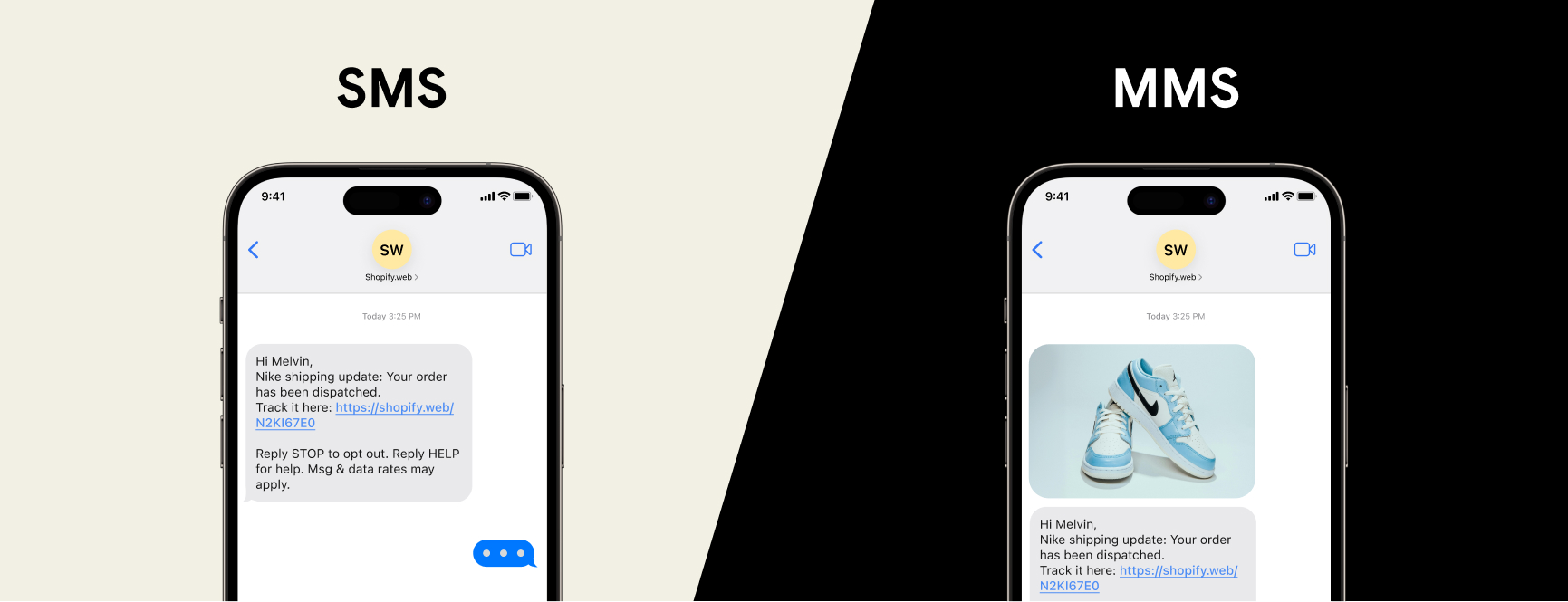
Wish to learn more about the SMS and MMS differentiation? Read this guide.
Branded Links for Higher Trust
Generic short links can look spammy. Branded short links that include your business name increase click-through rates because subscribers recognize and trust the sender.
Multi-Channel Integration (SMS + Email + Calls)
The strongest brands don’t rely on a single channel. They coordinate SMS, email, calls, and messaging apps like WhatsApp into a cohesive customer journey. A customer might get an email preview, an SMS on launch day, a follow-up call, and a WhatsApp follow-up with a final reminder. Easify helps you keep those touchpoints organized without creating chaos for your team.
Common SMS Marketing Mistakes to Avoid
Sending Without Consent
This is the biggest one. Texting people who didn’t opt in is illegal. Build your list the right way.
Over-Messaging
More texts don’t mean more sales. They mean more opt-outs. Find your frequency sweet spot through testing.
Poor Timing
Sending a text at 5am or 10pm is a fast track to unsubscribes. Stick to business hours in your customers’ time zones. For most campaigns, mid-morning and early afternoon perform well.
Lack of Segmentation
Sending every message to your entire list is lazy and ineffective. Use the segmentation strategies above to make your texts more relevant.
Ignoring Analytics
If you’re not reviewing your campaign data, you’re flying blind. Set aside time each month to review performance, identify what’s working, and adjust what isn’t.
Explore our complete guide to SMS marketing best practices to learn how to optimize your campaigns, improve engagement, and drive better results.
Why Choose Easify for Your SMS Marketing Strategy?
Easy Campaign Builder
Easify’s campaign builder is built for busy business owners. Create, schedule, and send professional SMS campaigns in minutes without any technical knowledge. If you wanted the efficiency of Twilio minus the code (or any complex workflows), then Easify is your best bet.
Automation Workflows
Set up your welcome series, cart abandonment flows, and post-purchase sequences once. Easify handles the rest automatically so you can focus on running your business.
Smart Segmentation
Easify lets you segment your list by purchase behavior, engagement level, location, and more. Better segments mean more relevant messages and better results.
Compliance-Ready Features
Built-in opt-in management, automatic opt-out processing, and TCPA-compliant tools mean you can market confidently without worrying about legal exposure.
Real-Time Analytics
Track delivery rates, click-throughs, conversions, and revenue in real time. With smart analytics, Easify gives you the data you need to make smart decisions, fast.
Frequently Asked Questions (FAQs)
How Often Should I Send SMS Campaigns?
Most businesses find success with 4-8 messages per month. Beyond that, opt-out rates tend to climb. Start conservative and increase frequency based on how your list responds.
What is a Good SMS Conversion Rate?
It varies by industry, but a conversion rate of 10-20% is considered strong for SMS. Some businesses with highly engaged lists and well-timed campaigns see even higher numbers.
Is SMS Marketing Legal?
Yes, when done correctly. In the US, you need explicit consent from subscribers, a clear opt-out mechanism, and proper identification of your business in each message. Following TCPA guidelines keeps you on the right side of the law.
How Do I Grow My SMS List Fast?
The fastest growth comes from combining multiple tactics at once. Run a pop-up on your website with a discount offer, add SMS opt-in at checkout, promote your list on social media, and use QR codes in-store or on packaging. Give people a clear reason to sign up, and they will.
Can Small Businesses Use SMS Marketing?
Absolutely. SMS marketing is one of the most cost-effective channels available for small businesses. You don’t need a big team or a big budget. You need a clean list, a clear offer, and a tool like Easify that makes it simple to execute.
Final Thoughts: Building a Winning SMS Marketing Strategy in 2026
Building a strong SMS marketing strategy doesn’t happen overnight. But it doesn’t have to be complicated either.
Start with clear goals. Build your list the right way. Set up a few key automations. Send relevant, timely messages. Track your results and keep improving.
That’s it. That’s the playbook.
The businesses winning with SMS aren’t doing anything magical. They’re being consistent, strategic, and genuinely helpful to their customers. You can do the same.
Ready to put your SMS strategy into action? Try Easify free for 7 days and see how easy it is to build, automate, and grow your text marketing from one simple platform. Your customers are waiting to hear from you.

Follow Easify on Instagram, LinkedIn, Facebook, and YouTube for more marketing tips, strategies, and product updates.